
Reverse sales tax calculations seem simple, but even a small mistake can produce an incorrect original price. Whether you’re checking a receipt, preparing business expenses, managing invoices, or using a reverse sales tax calculator, understanding the most common errors will help you get accurate results every time.
Most calculation mistakes don’t happen because the formula is difficult—they happen because people use the wrong tax rate, divide incorrectly, or misunderstand how sales tax works. The good news is that these errors are easy to avoid once you know what to look for.
In this guide, we’ll cover the five most common reverse sales tax mistakes and explain the correct way to calculate the pre-tax price.
1. Dividing by the Sales Tax Rate Instead of 1 + the Tax Rate
This is by far the most common mistake.
Many people assume they should divide the total price by the sales tax percentage. However, the final price already includes both the product price and the sales tax, so you must divide by 1 plus the tax rate.
Incorrect:
$108 ÷ 0.08 = Incorrect
Correct:
$108 ÷ 1.08 = $100
Always use this formula:
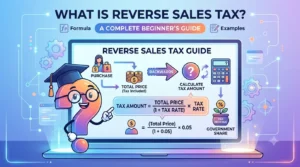
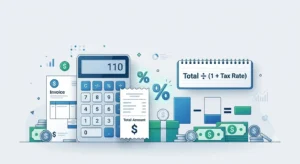
Original Price = Total Price ÷ (1 + Sales Tax Rate)
This simple adjustment ensures you accurately separate the tax from the total amount paid.
2. Forgetting to Convert the Percentage into a Decimal
Sales tax percentages must always be converted into decimal form before performing the calculation.
| Sales Tax | Decimal |
|---|---|
| 5% | 0.05 |
| 6% | 0.06 |
| 7.25% | 0.0725 |
| 8% | 0.08 |
| 9.5% | 0.095 |
For example, if the sales tax rate is 8%, you should divide by 1.08, not by 9 or 8. Using the wrong number will produce an incorrect original price.
3. Using the Wrong Sales Tax Rate
Sales tax rates are not the same across the United States. In addition to statewide sales tax, many counties, cities, and special tax districts add their own local taxes.
For example, two customers buying the same product in different cities may pay different amounts because their combined sales tax rates are different.
Before removing sales tax from a price, make sure you know the correct combined tax rate for the location where the purchase was made. Using the wrong rate—even by one percent—can noticeably affect the final calculation.
4. Rounding Too Early
Another common mistake is rounding numbers before completing the calculation.
For example, if your calculation produces several decimal places, avoid rounding after each step. Instead, complete the entire calculation first and round only the final answer to two decimal places.
This approach is especially important for businesses, accountants, and bookkeepers who process multiple receipts or financial records. Small rounding differences can add up over time.
5. Confusing Reverse Sales Tax with Discounts or Tax Refunds
Reverse sales tax simply removes the tax portion from a tax-inclusive price. It does not reduce the selling price like a discount, nor is it the same as receiving a sales tax refund.
Here’s the difference:
- Reverse Sales Tax: Calculates the original price before tax.
- Discount: Reduces the selling price before sales tax is calculated.
- Sales Tax Refund: Returns eligible tax paid under specific tax laws or business circumstances.
Understanding these differences helps you choose the correct calculation and avoid confusion when reviewing receipts or financial documents.
Quick Tips for Accurate Reverse Sales Tax Calculations
- Always convert percentages into decimal form.
- Divide by 1 + the sales tax rate, not the tax rate alone.
- Use the correct combined state and local sales tax rate.
- Round only your final answer.
- Double-check receipts if the calculated tax amount doesn’t match.
- Use a reverse sales tax calculator when working with multiple transactions.
Conclusion
Reverse sales tax calculations are straightforward once you understand the formula, but simple mistakes can lead to inaccurate results. Using the correct tax rate, converting percentages properly, avoiding premature rounding, and knowing the difference between reverse sales tax, discounts, and refunds will help you calculate the original pre-tax price with confidence.
Whether you’re a shopper reviewing receipts, a business owner managing expenses, or an accountant reconciling invoices, following these best practices will save time and improve accuracy. When in doubt, use a reliable reverse sales tax calculator to verify your results and reduce the risk of manual errors.
- Reverse Sales Tax vs Reverse Charge VAT: What’s the Difference?

- What Is Reverse Sales Tax? A Complete Beginner’s Guide (With Formula & Examples)
- How to Calculate Tax From Total Amount

- Florida Sales Tax (2026): Rates, Exemptions & Reverse Tax Calculator
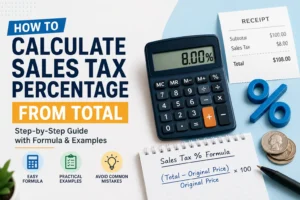
- How to Calculate Sales Tax Percentage From Total (Easy Formula)

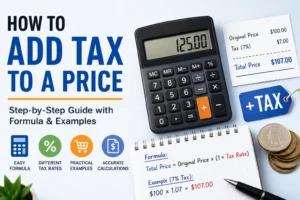
- How to Add Tax to a Price
- How to Avoid Paying Sales Tax Legally (2026 Guide)
- How to Avoid Paying Capital Gains Tax on the Sale of Your Home or Property
- How Long Does It Take for State Tax Refund Direct Deposit?
- How Long Does It Take to Get a Tax Refund in 2026? Here’s the Real Timeline