

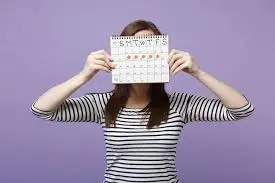
Many women notice changes in their menstrual cycle during stressful periods of life. A missed period before exams, delayed menstruation after emotional stress, or sudden cycle irregularities during busy months are more common than most people realize. While occasional changes may not always signal a serious issue, chronic stress can significantly affect hormonal balance and reproductive health.
The body responds to stress in complex ways, and one of the first systems affected is often the menstrual cycle. Hormonal disruptions caused by stress may lead to irregular periods, heavy bleeding, painful cramps, spotting, or changes in ovulation.
Understanding the connection between stress, hormones, and menstrual health can help women recognize symptoms early and support better overall wellness.
How Stress Affects the Body
Stress activates the body’s natural “fight or flight” response. During stressful situations, the body releases hormones such as cortisol and adrenaline to help respond to perceived threats.
Short-term stress is a normal part of life, but when stress becomes chronic, elevated cortisol levels may interfere with other hormone systems in the body, including reproductive hormones responsible for regulating the menstrual cycle.
This hormonal disruption can affect:
- Ovulation
- Cycle length
- Menstrual flow
- Mood stability
- Sleep quality
- Energy levels
The body often prioritizes survival functions during prolonged stress, which may temporarily disrupt reproductive processes.
The Link Between Hormones and Menstrual Cycles
The menstrual cycle depends on precise hormonal communication between the brain, ovaries, and uterus. Hormones such as estrogen and progesterone help regulate ovulation and the buildup of the uterine lining.
When stress hormones remain elevated for long periods, they may interfere with this balance and contribute to irregular menstrual patterns.
Hormonal disruption may lead to:
- Delayed periods
- Missed periods
- Heavy bleeding
- Spotting between periods
- Severe cramps
- Shortened or prolonged cycles
For some women, symptoms may appear gradually, while others notice sudden changes in their menstrual health.
Common Signs Stress May Be Affecting Your Period
Irregular Menstrual Cycles
Stress can delay ovulation, causing periods to arrive earlier or later than expected. Some women may even skip cycles entirely during periods of intense emotional or physical stress.
Heavier or Lighter Bleeding
Hormonal fluctuations caused by stress may affect how the uterine lining builds and sheds. This can result in unusually heavy or unexpectedly light periods.
Increased Menstrual Pain
Stress may increase inflammation and muscle tension, potentially worsening cramps and pelvic discomfort during menstruation.
Spotting Between Periods
Hormonal imbalance triggered by chronic stress may sometimes lead to spotting or breakthrough bleeding outside the normal cycle.
Fatigue and Mood Changes
Stress and hormonal imbalance often affect mental and emotional well-being. Many women experience fatigue, anxiety, irritability, or low mood alongside menstrual irregularities.
Can Stress Cause Unusual Menstrual Symptoms?
In some cases, chronic hormonal imbalance may contribute to abnormal uterine lining shedding and unusual menstrual symptoms.
Some women experience rare menstrual conditions involving unusual tissue discharge or abnormal shedding patterns. Understanding more about hormonal period changes may help women recognize symptoms associated with stress, hormonal imbalance, and irregular menstruation.
Although stress alone may not always directly cause severe reproductive conditions, it can worsen existing hormonal and menstrual issues over time.
Other Factors That May Worsen Hormonal Imbalance
Stress often combines with other lifestyle factors that affect reproductive health.
Poor Sleep
Sleep plays a major role in hormone regulation. Chronic sleep deprivation may worsen irregular periods and fatigue.
Unhealthy Diet
Nutritional deficiencies and excessive processed foods may negatively impact hormonal balance and menstrual health.
Lack of Physical Activity
Regular movement supports circulation, metabolism, and stress management. A sedentary lifestyle may contribute to hormonal disruption.
Sudden Weight Changes
Rapid weight loss or gain may affect estrogen levels and disrupt normal ovulation.
When Should You Seek Medical Advice?
Occasional menstrual irregularities during stressful times are common. However, medical evaluation may be necessary if symptoms persist or worsen.
You should consult a healthcare provider if you experience:
- Missed periods repeatedly
- Severe menstrual pain
- Heavy bleeding
- Spotting between periods frequently
- Sudden major cycle changes
- Persistent fatigue or dizziness
Early diagnosis can help identify whether hormonal imbalance, stress, or another underlying condition is affecting your reproductive health.
Tips for Supporting Hormonal and Menstrual Health
Manage Stress Effectively
Stress management techniques such as meditation, walking, journaling, deep breathing, and relaxation exercises may help support hormonal balance.
Prioritize Sleep
Getting consistent, quality sleep helps regulate hormone production and supports overall well-being.
Eat a Balanced Diet
A nutrient-rich diet containing healthy fats, protein, vegetables, and iron-rich foods may help support reproductive health.
Exercise Regularly
Physical activity may reduce stress hormones and improve menstrual symptoms naturally.
Track Your Cycle
Monitoring changes in your period can help identify patterns and provide useful information during medical consultations.
Final Thoughts
Stress affects far more than emotional health. It can disrupt hormones, interfere with ovulation, and lead to irregular periods or abnormal menstrual symptoms. While occasional cycle changes may happen during stressful times, persistent irregularities should not be ignored.
Understanding the hidden connection between stress, hormones, and menstrual health empowers women to recognize warning signs early and take better care of their bodies. Supporting hormonal balance through healthy lifestyle habits and medical guidance when necessary can improve both reproductive health and overall quality of life.
